Practical Steps for Aging in Place
- michelle butler
- Oct 27, 2025
- 4 min read

Aging in place means staying in your own home as you grow older. It’s about comfort, familiarity, and independence. But it also requires some planning and adjustments. I want to share practical steps that make this journey easier and safer. Whether you’re thinking about your own future or helping someone else, these strategies can empower you to live well at home.
Understanding Aging in Place Strategies
Aging in place strategies focus on adapting your living environment and lifestyle to meet your changing needs. The goal is to maintain your independence while ensuring safety and comfort. Here’s what you can do:
Assess your home’s safety: Look for tripping hazards like loose rugs or cluttered walkways. Good lighting is essential, especially in hallways and bathrooms.
Make necessary modifications: Installing grab bars in the bathroom, ramps instead of stairs, and non-slip flooring can prevent falls.
Plan for health needs: Keep medications organized and accessible. Consider telehealth options for regular check-ups.
Stay socially connected: Isolation can affect health. Engage with neighbors, friends, or community groups.
Prepare for emergencies: Have a list of emergency contacts and a plan for quick evacuation if needed.
These steps help create a home that supports your independence and well-being.
Practical Home Modifications for Aging in Place
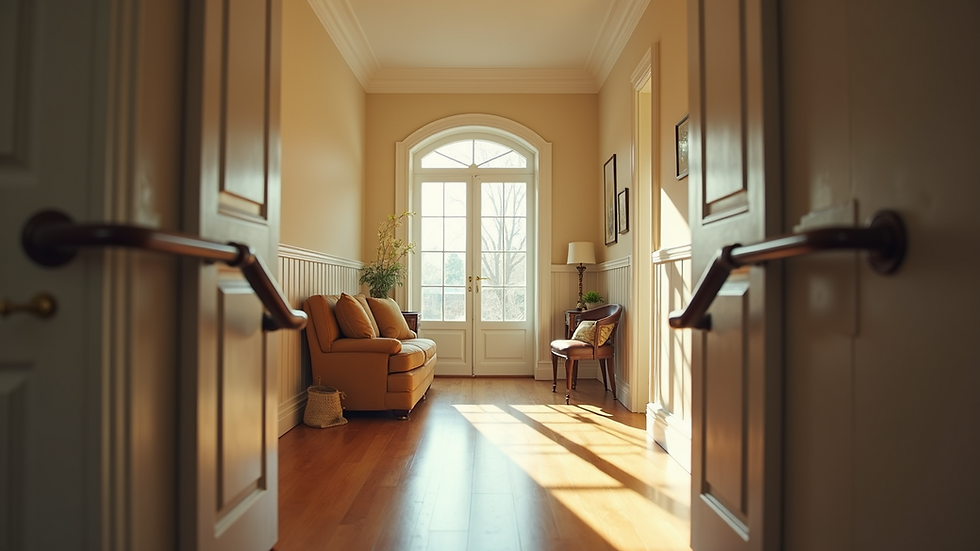
Making your home safer and more accessible is a key part of aging in place. You don’t need to overhaul everything at once. Start with small, manageable changes that make a big difference.
Bathroom safety: Add grab bars near the toilet and in the shower. Use a shower chair and non-slip mats.
Kitchen adjustments: Keep frequently used items within easy reach. Use lever-style handles on faucets and cabinets.
Lighting improvements: Use bright, glare-free lighting. Motion-sensor lights can help at night.
Entryway and stairs: Install sturdy handrails and consider a ramp if stairs are difficult.
Smart home technology: Devices like voice-activated assistants can help with reminders and emergency calls.
These modifications reduce risks and make daily tasks easier.

Staying Healthy and Active at Home
Physical and mental health are vital for aging in place. Staying active and engaged helps maintain strength, balance, and cognitive function.
Exercise regularly: Simple activities like walking, stretching, or chair exercises improve mobility.
Eat nutritious meals: Balanced diets support energy and overall health.
Manage medications: Use pill organizers and set alarms to avoid missed doses.
Mental stimulation: Read, do puzzles, or learn new skills to keep your mind sharp.
Routine health check-ups: Stay connected with healthcare providers for ongoing care.
Remember, small daily habits add up to big benefits.
Building a Support Network You Can Rely On
No one should age in place alone. Building a support network is essential for safety and emotional well-being.
Family and friends: Keep in touch regularly. They can help with errands or just provide companionship.
Caregivers and agencies: Professional help can assist with personal care, housekeeping, or medical needs.
Community resources: Local senior centers, libraries, and faith groups offer social activities and support.
Healthcare partnerships: Collaborate with your doctors and nurses to manage your health effectively.
One resource I recommend exploring is porchlight wellnes 1, which offers innovative support for seniors wanting to stay independent at home.
Planning Financially for Aging in Place
Financial planning is a crucial part of aging in place. It ensures you can afford the care and modifications you need without stress.
Budget for home modifications: Prioritize changes that improve safety and accessibility.
Explore insurance options: Check what Medicare, Medicaid, or private insurance covers.
Consider long-term care insurance: It can help with costs of in-home care or assisted living if needed.
Plan for emergencies: Have funds set aside for unexpected expenses.
Seek financial advice: Professionals can help you create a sustainable plan.
Being proactive with finances gives you peace of mind and control over your future.
Embracing Technology to Enhance Independence
Technology can be a powerful ally in aging in place. It helps with safety, communication, and daily living.
Medical alert systems: Devices that call for help if you fall or have an emergency.
Smart home devices: Control lights, thermostats, and locks with your voice or smartphone.
Medication reminders: Apps or electronic dispensers keep you on track.
Virtual socializing: Video calls help you stay connected with loved ones.
Health monitoring: Wearable devices track vital signs and activity levels.
Learning to use these tools can boost your confidence and independence.
Creating a Comfortable and Inviting Home Environment
Your home should feel welcoming and support your lifestyle. Comfort and familiarity are important for emotional well-being.
Personalize your space: Display photos, artwork, and items that bring joy.
Organize for ease: Keep things tidy and within reach to reduce frustration.
Create cozy spots: Have a favorite chair or nook for reading and relaxing.
Control temperature and air quality: Use fans, heaters, or air purifiers as needed.
Incorporate nature: Houseplants or a small garden can lift your spirits.
A nurturing environment helps you feel safe and happy every day.
Aging in place is a journey you don’t have to take alone. With thoughtful planning, practical changes, and the right support, you can enjoy your home and your independence for years to come. Remember, resources like porchlight wellnes 1 are here to help you every step of the way. Take it one step at a time, and embrace the comfort of living life on your terms.


Comments